Find out more about
Gynaecological Conditions
Harley Womens Health
Trusted Women’s Health Information from Harley Women’s Health
Understanding your symptoms is often the first step towards finding the right treatment. Whether you have recently developed new symptoms or have been living with a condition for some time, having access to reliable women’s health information can help you make informed decisions about your care.
This resource has been created to help you learn more about a range of gynaecological conditions that affect women at different stages of life. From menstrual disorders and cervical health to menopause, reproductive health and pelvic conditions, our aim is to explain common gynaecological conditions clearly, using straightforward language that is easy to understand.
Every woman is different. While this information provides a helpful overview, it should not replace a consultation with an experienced consultant or specialist. If you have symptoms or concerns about your health, professional medical advice should always be sought.
Ms Haque is amazing! She explained everything well and was very kind, I felt safe and looked after under her care. She is very professional and calm. I would definitely recommend her to anyone needing feminine care and would visit again if needed. She improved the quality of my life.
Learn More About Common Gynaecological Conditions
Many gynaecological disorders share similar symptoms, which can make it difficult to know what is causing a particular health problem. Changes to your menstrual cycle, pelvic pain, abnormal bleeding, bladder symptoms or discomfort during intercourse can all have a number of different causes.
The information below explains some of the most common gynaecological conditions, helping you understand what they are, the symptoms they may cause and when you should consider seeking advice from a healthcare specialist.
Understanding Dyskaryosis
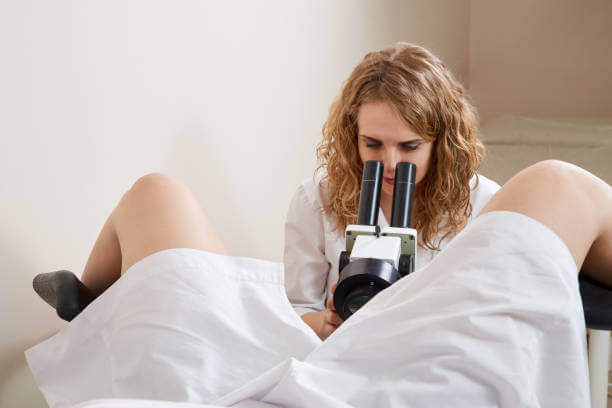
Dyskaryosis describes abnormal changes in cervical cells identified during cervical screening. These changes are commonly associated with HPV and do not necessarily mean cancer is present. Understanding dyskaryosis is important because early monitoring and treatment, where required, can help prevent cervical cancer from developing.
Abnormal Smears Condition
An abnormal smear result means that changes have been found in the cells of the cervix during routine cervical screening. Most abnormalities are not cancerous, but they may require further investigation, monitoring or treatment depending on the type of cell changes identified.
Bladder Problems and Incontinence Condition
Bladder problems and urinary incontinence are a common health problem affecting many women. Symptoms can range from occasional leakage to more significant bladder dysfunction, impacting confidence, work, exercise and everyday life.
Pregnancy Complications
Although pregnancy is often a positive experience, complications can sometimes occur. Understanding potential pregnancy-related concerns allows women to recognise symptoms early and seek appropriate medical advice when necessary.
Endometriosis
Endometriosis occurs when tissue similar to the lining of the womb grows outside the uterus. It is one of the most common gynaecological conditions, often causing pelvic pain, painful periods, pain during intercourse and, in some cases, fertility concerns.
Learning more about endometriosis can help women recognise symptoms earlier and seek appropriate assessment from a specialist.
Uterine Fibroids
Fibroids are non-cancerous growths that develop within or around the uterus. They vary in size and may cause heavy menstrual bleeding, pelvic pressure, discomfort or fertility problems, although many women experience no symptoms at all.
Menopause
Menopause is a natural stage of life, usually occurring between the ages of 45 and 55, with the average age in the UK being around 51. Hormonal changes can affect physical, emotional and reproductive health, with symptoms varying significantly between individuals.
Ovarian Cysts
Ovarian cysts are fluid-filled sacs that develop on or within an ovary. They are very common and are often found during routine pelvic examinations or ultrasound scans. While many cysts resolve naturally, some require further investigation or treatment.
Polycystic Ovary Syndrome (PCOS)
Polycystic Ovary Syndrome (PCOS) is one of the most common hormonal gynaecological disorders affecting women of reproductive age.
PCOS can influence menstrual cycles, fertility, hormone levels and metabolic health. Although the condition often involves multiple follicles on the ovaries, every woman’s experience is different and symptoms vary considerably.
The Importance of Cervical Screening
Routine cervical screening plays an important role in protecting women’s health by identifying abnormal cervical cell changes before they become more serious. Regular screening helps detect changes early, allowing appropriate monitoring or treatment where needed.
Pelvic Organ Prolapse
Pelvic organ prolapse occurs when one or more pelvic organs move from their usual position because the muscles and supporting tissues have weakened. It is another common gynaecological condition that can affect comfort, bladder function and quality of life.
Private STI Testing
Sexually transmitted infections often cause few or no symptoms, making regular testing an important part of maintaining good reproductive and sexual health. Early diagnosis allows prompt treatment while reducing the risk of long-term complications.
Vaginal Atrophy
Vaginal atrophy, also known as vulvovaginal atrophy, occurs when the vaginal tissues become thinner, drier and more fragile. It most commonly develops after menopause and may lead to discomfort, vaginal dryness or pain during intercourse.
Menorrhagia & Period Problems
Heavy periods, bleeding between periods and bleeding after intercourse are common gynaecological conditions that should always be assessed. Understanding the possible causes can help women seek advice sooner and receive appropriate treatment where needed.
Physical Problems Following Childbirth
Pregnancy and childbirth place significant demands on the body. Some women experience ongoing pelvic floor problems, bladder symptoms, discomfort or other physical changes following delivery that may benefit from assessment and treatment.
My whole experience with Ms Haque was excellent, very smooth and pleasant. She put me at ease, is very thorough and ensures you understand everything. I felt very comfortable in her care and my procedure went well.
When Should You See a Specialist?
Many gynaecological conditions begin with symptoms that are easy to dismiss or assume are normal. However, persistent pelvic pain, heavy bleeding, changes to your menstrual cycle, bladder symptoms, abnormal cervical screening results or ongoing discomfort should always be discussed with an experienced consultant.
Early assessment can often provide reassurance, identify the underlying cause of your symptoms and help ensure that treatment begins promptly if required.
Harley Women’s Health welcomes women from London, Central London and across the UK, providing personalised care for a wide range of gynaecological disorders and female health concerns.
“My whole experience with Ms Haque was excellent, very smooth and pleasant. She put me at ease, is very thorough and ensures you understand everything. I felt very comfortable in her care and my procedure went well.”
Verified Patient
London
If you are experiencing symptoms or would like further advice about any of the common gynaecological conditions covered on this page, Harley Women’s Health is here to help.
Our experienced consultants and specialists provide expert assessment, diagnosis and ongoing support for women with a wide range of gynaecological conditions, helping you better understand your health and the treatment options available.